
Can Gum Disease Be Reversed? Early Signs and What to Do
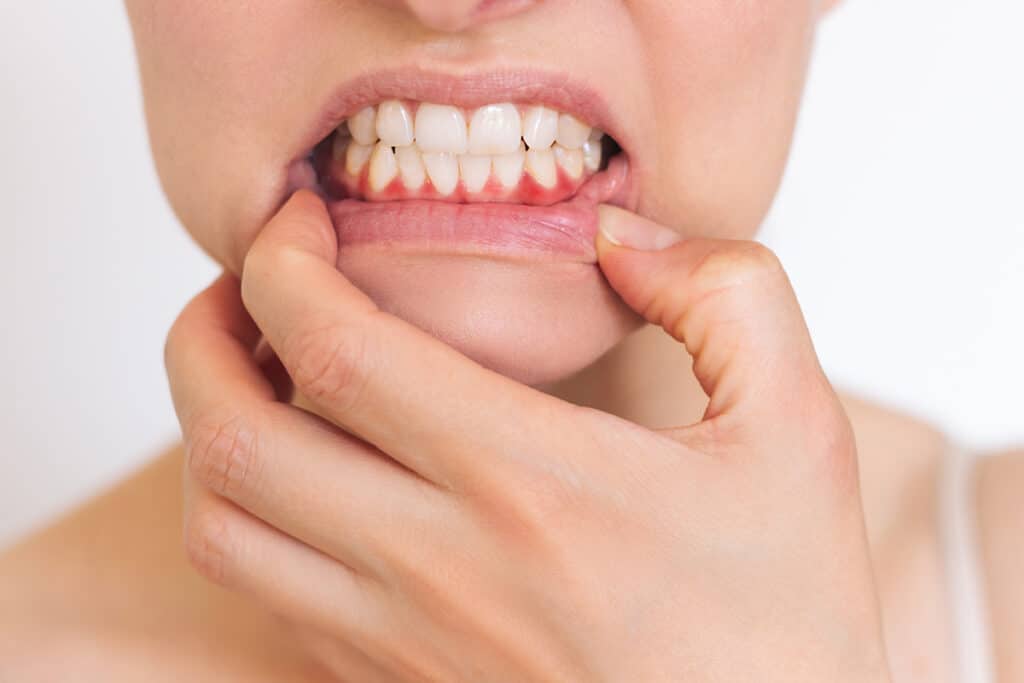
If you have noticed bleeding when you brush or floss, you may be wondering what it means for your oral health. We want you to know that gum disease is common, and in many cases, early action can make a real difference. The key is knowing what to look for and not waiting too long to respond.
The short answer is that early gum disease can often be reversed. Once it moves into a more advanced stage, it can usually be managed rather than fully undone. That distinction matters. When you understand the early signs and what steps to take, you can protect your gums, support your overall health, and feel more confident about what comes next.
What It Means to Reverse Gum Disease
We often explain gum disease in two main stages: gingivitis and periodontitis. Gingivitis is the early stage. At this point, the gums may look red, feel tender, or bleed during brushing and flossing. The good news is that gingivitis does not yet involve permanent bone loss. With professional care and better daily habits, it can often be reversed.
Periodontitis is more advanced. This happens when inflammation spreads deeper below the gumline and begins to damage the tissues and bone that support your teeth. While periodontitis cannot usually be fully reversed, it can be treated and controlled. That is why early care matters so much. When we catch gum disease early, we have a better chance of stopping it before lasting damage begins.
Plaque is the main cause. It is a sticky film of bacteria that forms on your teeth every day. If it is not removed well, it hardens into tartar, which cannot be brushed away at home. That buildup irritates the gums and creates the conditions for infection. Other factors can raise your risk too, including smoking, diabetes, hormonal changes, certain medications, chronic dry mouth, and a family history of gum problems.
Early Signs You Should Not Ignore
Your gums often give you warning signs before the problem becomes severe. We encourage you to pay attention to even small changes. Bleeding when brushing or flossing is one of the earliest and most common symptoms. Healthy gums should not bleed easily. Redness, swelling, tenderness, and persistent bad breath can also point to early gum disease.
As the condition progresses, you may notice that your gums seem to pull away from your teeth. Your teeth might look longer than they used to. You may also feel sensitivity near the gumline or notice a bad taste that does not go away. In more advanced cases, teeth can feel loose or your bite may seem different. These are signs that the supporting structures around the teeth may be affected.
It is easy to dismiss mild symptoms, especially if they come and go. Many people think bleeding gums are normal. They are not. Your body is signaling that the tissue is inflamed. When you respond early, you give yourself the best chance for a simpler and more comfortable treatment process.
What to Do if You Think You Have Gum Disease
If you think something is wrong with your gums, the first step is to schedule a dental exam. We know that each patient is different, and your care should reflect your unique needs. There is no one-size-fits-all approach to gum health. A professional evaluation helps us see how advanced the condition is and what kind of care will help most.
During your visit, we may measure the spaces around your teeth, check for bleeding, and take dental images if needed. This helps us understand whether the issue is limited to gingivitis or has moved into periodontitis. From there, we can recommend the right next step. For some patients, that means a thorough professional cleaning and better home care. For others, it may involve deeper periodontal care to remove bacteria below the gumline and help the tissues heal. If you are looking for gum disease treatment in Greer, we are here to guide you with calm, personalized care.
Your daily routine matters too. Brush twice a day with a soft-bristle toothbrush and fluoride toothpaste. Floss once a day to remove plaque between the teeth and under the gumline. If we recommend an antibacterial rinse, use it as directed. If you smoke, stopping can make a major difference in how your gums respond to treatment. If you have diabetes, keeping your blood sugar in a healthy range can also support better healing. Small steps, done consistently, can lead to steady improvement.
How We Help Protect Your Gums for the Long Term
We want you to feel informed and confident, not overwhelmed. Treating gum disease is important, but preventing it from returning matters just as much. Once your gums begin to heal, regular maintenance becomes the next priority. Professional cleanings and routine exams help us remove buildup in places that are hard to reach at home and catch any new concerns early.
For patients with a history of periodontitis, maintenance visits may need to happen more often than standard cleanings. That is not a setback. It is a proactive way to protect your smile and keep the condition stable. We may also recommend changes to your home care tools, such as interdental brushes, water flossers, or an electric toothbrush, depending on your needs and comfort.
There is also a bigger picture to keep in mind. Gum health is closely tied to overall health. Research has shown links between periodontal disease and conditions such as heart disease, diabetes, and adverse pregnancy outcomes. Gum disease does not always cause these problems directly, but chronic inflammation can affect the body in meaningful ways. Caring for your gums is one more way to care for your whole health.
The most important thing to remember is this: you do not have to figure it out alone. If your gums are bleeding, sore, or changing in appearance, please do not wait for it to get worse. Early care is often simpler, gentler, and more effective. We are here to listen closely, care deeply, and help you take the next step with clarity.
A Healthier Smile Starts With Early Attention
Gum disease can often be reversed when it is caught in its earliest stage. Once it becomes more advanced, it can still be treated and managed with the right support. Paying attention to early signs, keeping up with home care, and seeking professional treatment promptly can protect your gums and your long-term oral health. If you have concerns, please give yourself the benefit of an early evaluation. A small step now can help prevent bigger problems later.
Frequently Asked Questions About Periodontics
Can gingivitis go away on its own?
Gingivitis may improve when plaque is removed and home care gets better, but it usually does not resolve well without action. A professional cleaning is often the best place to start. We can also show you how to clean more effectively at home so your gums have a chance to heal.
How do I know if I have gingivitis or periodontitis?
The symptoms can overlap, which is why an exam is so important. Gingivitis affects the gums but does not cause permanent bone loss. Periodontitis involves more serious damage to the tissues and bone around the teeth. We can measure gum pockets and check for signs of bone loss to tell the difference.
Is bleeding when I floss always a sign of gum disease?
Bleeding while flossing is often a sign of inflammation, especially if it happens often. It can mean plaque has built up near the gums, and the tissue is irritated. If the bleeding continues after a few days of gentle, consistent flossing, it is a good idea to come in for an evaluation.
What treatments are used for advanced gum disease?
Treatment depends on how severe the condition is. Many patients benefit from scaling and root planing, which cleans below the gumline and smooths root surfaces so the gums can heal. In some cases, more advanced periodontal procedures may be needed to manage infection and protect the teeth.
Can gum disease come back after treatment?
Yes, it can return if plaque and bacteria build up again. That is why ongoing maintenance is so important. With regular dental visits and a steady home routine, many patients keep gum disease under control and protect their results over time.
We are proud to care for individuals and families in Greer with a thoughtful, personal approach to dentistry. At Greer Dental Studio, we want you to feel at ease, feel heard, and feel confident in your care. If you are ready to take the next step, please schedule an appointment.