
What to Expect After a Root Canal: Healing Tips for Greer Patients
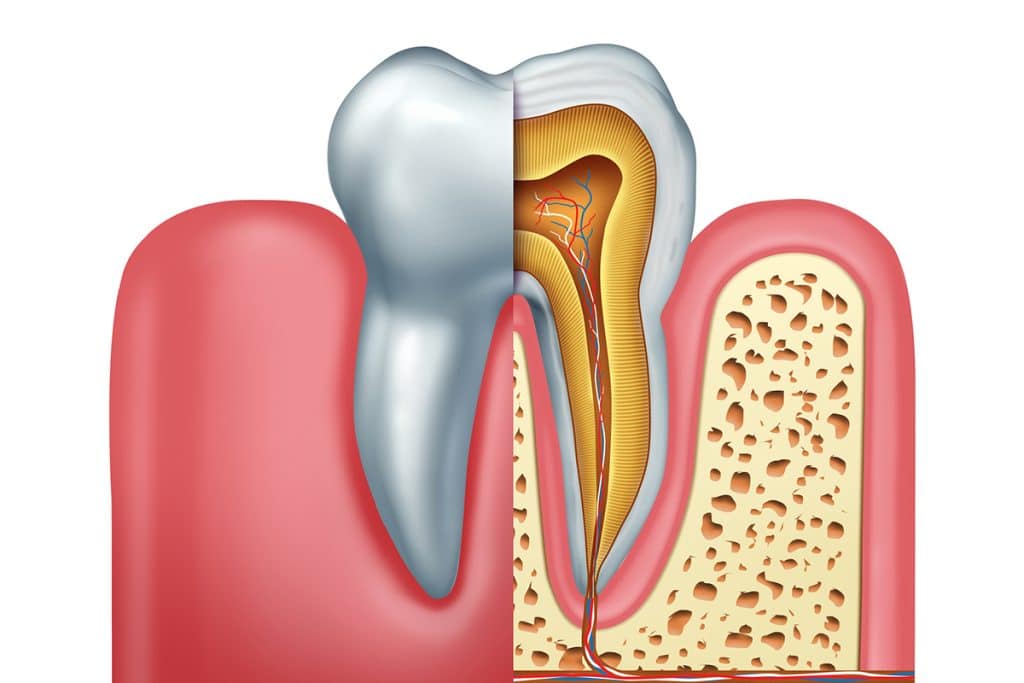
Hearing that you need a root canal can cause some anxiety, but we want to assure you that this procedure is a safe and effective way to save your natural tooth. Our primary goal is to relieve your pain and restore your oral health. Once the procedure is complete, the focus shifts to healing. Understanding the recovery process can help you feel more comfortable and confident as you heal.
This guide will walk you through what to expect after your root canal, from the first 24 hours to the weeks that follow. We will provide clear, simple tips to ensure your recovery is as smooth and comfortable as possible. We are here to support you every step of the way, helping you get back to smiling with confidence.
The First 24 Hours: Managing Comfort
The hours immediately following your root canal are crucial for setting the stage for a successful recovery. The local anesthetic used during the procedure will start to wear off within a few hours. It is common to experience some mild discomfort and sensitivity as this happens.
Managing Discomfort
Your jaw may feel sore from being open during the procedure, and the area around the treated tooth might be tender. This is a normal part of the body's healing response. To manage this, we typically recommend over-the-counter pain relievers. An anti-inflammatory medication, such as ibuprofen, is often highly effective. We will discuss your specific needs and provide a recommendation that is right for you. It is important to take the medication as directed to stay ahead of any discomfort.
Eating and Drinking
You should wait until the numbness completely wears off before eating to avoid accidentally biting your cheek or tongue. When you do feel ready to eat, start with soft foods that require minimal chewing.
Here are a few suggestions:
- Yogurt or smoothies
- Applesauce
- Mashed potatoes
- Soups
- Scrambled eggs
Avoid chewing directly on the treated tooth until it has been permanently restored with a crown. The temporary filling placed after your root canal is not as strong as a permanent restoration. Also, try to avoid hot liquids and hard or sticky foods during this initial period, as they can dislodge the temporary filling or increase sensitivity.
The First Week: Caring for Your Tooth
In the week following your root canal, you will notice a significant improvement in how you feel. Any initial sensitivity should steadily decrease. This is a time to be gentle with the treated area while maintaining excellent oral hygiene.
Oral Hygiene Routine
Keeping your mouth clean is essential for preventing infection and promoting healing. You can and should continue to brush and floss as you normally would, but be extra gentle around the treated tooth.
Here are a few tips for your hygiene routine:
- Gentle Brushing: Use a soft-bristled toothbrush to clean your teeth. When brushing around the temporary filling, use careful, gentle strokes.
- Careful Flossing: When flossing, be mindful of the temporary filling. Instead of pulling the floss up and out from between the teeth, which could dislodge the filling, gently slide it out from the side.
- Saltwater Rinses: Rinsing your mouth with warm salt water (one-half teaspoon of salt mixed into a cup of warm water) two to three times a day can be very soothing. It helps to keep the area clean and can reduce inflammation.
What to Avoid
During this first week, your tooth is still healing. To protect it and your temporary filling, you should continue to avoid:
- Hard Foods: Nuts, hard candy, and ice can put too much pressure on the tooth.
- Sticky Foods: Chewing gum, caramel, and taffy can pull out the temporary filling.
- Chewing on the Treated Side: Try to chew on the opposite side of your mouth as much as possible until your permanent crown is placed.
Following these simple guidelines will protect your tooth and help ensure a complication-free recovery.
Long-Term Healing and Follow-Up Care
A root canal is a multi-step process. After the procedure itself, the most important next step is the placement of a permanent restoration, which is usually a dental crown. This final step is vital for the long-term health and function of your tooth.
Why is a Crown Necessary?
A tooth that requires a root canal has often been weakened by extensive decay or a large filling. The root canal procedure, while necessary, involves removing the internal pulp of the tooth, which can make it more brittle over time. A dental crown acts like a protective helmet, covering the entire visible portion of the tooth.
This permanent restoration accomplishes several things:
- It restores strength: A crown allows you to chew and bite down without worrying about the tooth fracturing.
- It seals the tooth: The crown provides a seal that prevents bacteria from re-entering and causing a new infection.
- It ensures normal function: It restores the tooth to its original shape and size, allowing it to function properly.
It is critical to schedule your follow-up appointment to have your permanent crown placed. Delaying this step puts your treated tooth at risk of fracture or re-infection, which could undo the success of the root canal procedure.
We are proud to provide comprehensive dental care for our community. A root canal is one of the many services we offer to help you maintain your natural teeth for a lifetime. If you have any questions about your treatment plan, please don't hesitate to contact our office. We are always here to help you understand your options for root canal treatment in Greer, SC.
Frequently Asked Questions About Root Canal Treatment
We understand you may have more questions about the process. Here are answers to some common concerns we hear from our patients.
Is a root canal painful?
One of the biggest myths about root canals is that they are painful. The truth is, the procedure is performed to relieve pain caused by an infected or inflamed tooth pulp. With modern techniques and anesthetics, the experience is typically no more uncomfortable than getting a filling. The most common feeling patients report is relief from the toothache they had before the procedure.
How do I know if I need a root canal?
Several signs may indicate that you need a root canal. These include a severe toothache, prolonged sensitivity to hot or cold temperatures, discoloration of the tooth, and swelling or tenderness in the nearby gums. However, sometimes there are no symptoms at all. The only way to know for sure is through a thorough dental examination, including X-rays.
What happens if I don’t get a root canal?
If you have an infected tooth and choose not to have a root canal, the infection will not go away on its own. It can spread to the jawbone and cause an abscess, which is a pus-filled pocket that can lead to serious health complications. Eventually, the only remaining option may be to extract the tooth. Our goal is always to save your natural teeth whenever possible.
How long does a treated tooth last?
With proper care and a permanent restoration like a crown, a tooth that has had a root canal can last a lifetime. The key is to maintain good oral hygiene habits—including brushing, flossing, and regular dental check-ups—to protect the tooth and the surrounding gums from future problems.
At Greer Dental Studio, we are dedicated to providing exceptional dental care for families throughout the Greer community. Our focus is on creating a comfortable and welcoming environment where every patient feels supported in their journey toward a healthy, beautiful smile. We are always happy to welcome new patients, and you can schedule an appointment with us today.